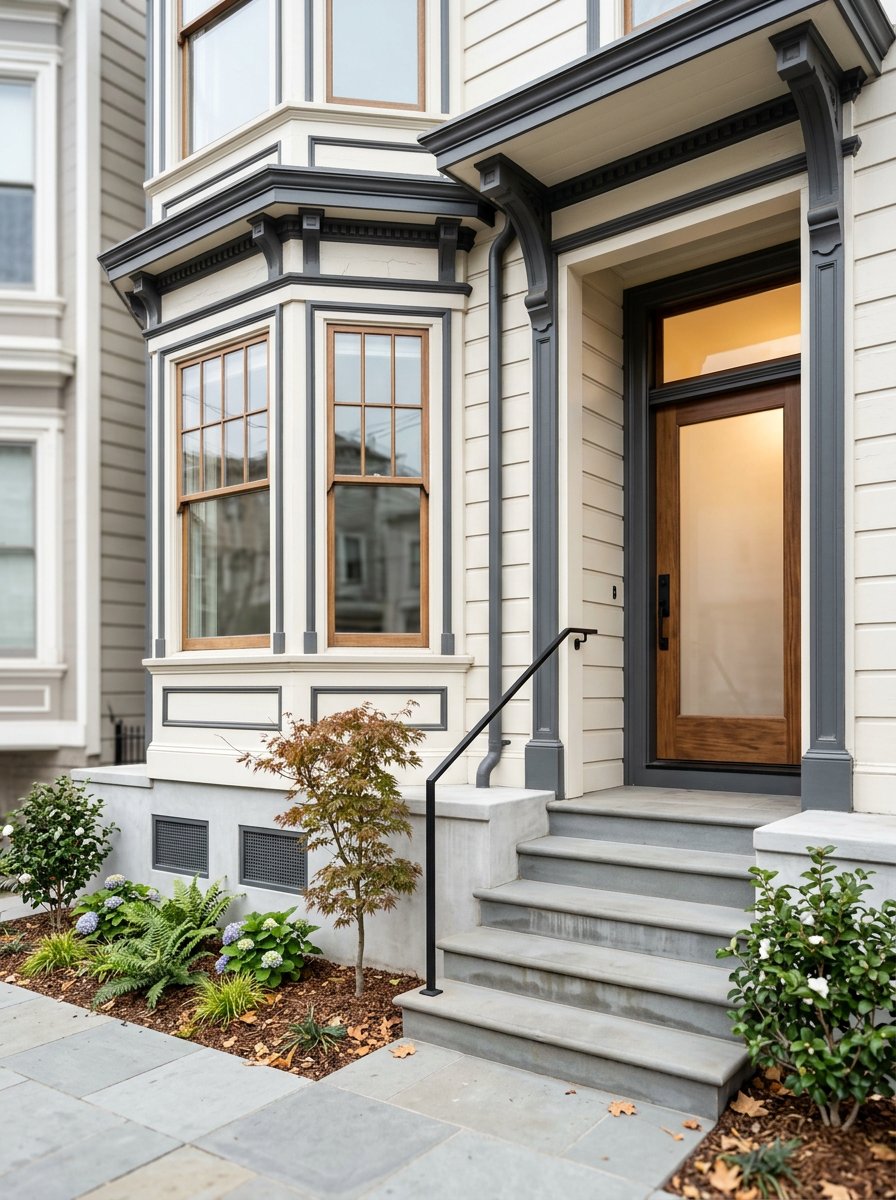
You love the look of a Haight‑Ashbury Victorian. The bay windows, ornate trim, and sense of history are hard to beat. But vintage charm comes with vintage questions, especially around seismic safety, foundations, historic rules, and hidden work. This guide walks you through what to check first so you can buy with confidence and protect your investment. Let’s dive in.
Why Haight Victorians stand out
Haight‑Ashbury and 94117 are rich with late‑19th and early‑20th‑century Victorians and Edwardians. Many feature wood‑frame construction, decorative cornices, plaster interiors, and original wood windows. Preservation groups actively track these resources, and some properties have landmark status or historic interest. For neighborhood context and preservation activity, review SF Heritage’s recent update.
These homes often sit over crawlspaces or shallow perimeter foundations. You will also find layers of later remodeling such as added bathrooms, converted garages, or enclosed porches. Because many properties have been modified over time, plan to verify permit history early and look closely for signs of settlement, rot, or past structural repairs.
Seismic priorities in 94117
Soft‑story risk and records
If you are evaluating a multi‑unit wood‑frame building with a large ground‑floor opening, tuck‑under parking, or a storefront, confirm its status under San Francisco’s Mandatory Soft‑Story Retrofit program. The Department of Building Inspection (DBI) explains screening, tiers, and compliance on the city’s Soft‑Story program page. Ask for the screening form, engineering plans, permits, inspections, and the Certificate of Final Completion.
Expect meaningful cost if work has not been done. DBI’s outreach materials and CAPSS context note that retrofits for multi‑unit soft‑story buildings commonly land in the tens of thousands. Your engineer can explain the design basis, often referencing FEMA P‑807 or ASCE 41, and what this means for performance and cost.
Foundations and underpinning basics
Common Victorian issues include differential settlement, sloping floors, rotted sill plates, and moisture in crawlspaces. If doors stick, floors feel out of level, or you see step cracks and patched stucco, bring in a structural engineer or foundation specialist. Ask for a short memo that answers three questions: Is the building safe to occupy, what upgrades are recommended, and what are the realistic budget ranges.
Underpinning to stabilize or lift settled foundations is common. Order‑of‑magnitude pricing for residential underpinning often ranges from about 10,000 to 30,000 dollars depending on method and number of piers, per recent industry guidance from Angi’s underpinning cost overview. The right solution depends on site conditions, so rely on site‑specific engineering.
Chimneys and cripple walls
Unreinforced masonry elements such as brick chimneys and parapets are vulnerable in earthquakes. Inspectors look for loose flues, cracked mortar, and detached flashing. Expect recommendations for bracing, repointing, or, in some cases, removal. For background on common seismic failure points, see the federal guidance summarized in Designing for Earthquakes.
Systems, insurance, and lending
Older wiring, including knob‑and‑tube, can affect both insurance and financing. FHA may allow knob‑and‑tube in limited cases if it is in good condition and has adequate capacity, but many private insurers treat it as a higher risk and may require upgrades. Verify conditions early with your lender and insurer, and review the FHA context in HUD’s appraisal guidance.
Given San Francisco’s seismic risk, you may also consider earthquake insurance. Deductibles are usually percent based and can be significant. Discuss premium and deductible scenarios with an insurance broker before removing contingencies. For a plain‑English overview of what earthquake policies often cover, review this earthquake insurance explainer.
Historic status and permits
Landmark or district checks
Some Haight‑Ashbury properties are individually designated or contributors to a historic district. If so, exterior changes may require additional review, and some work may need a Certificate of Appropriateness. San Francisco also offers Mills Act contracts, which can provide property tax incentives in exchange for specific preservation obligations. Learn about the program on the SF Planning Mills Act page. Ask the seller whether a Mills Act contract is in place because it follows the property and affects future maintenance and tax treatment.
Windows: repair, in‑kind, or review
San Francisco requires permits for window replacements, and Planning reviews any street‑visible window work for architectural compatibility. On landmarks and contributing buildings, you should expect repair first or in‑kind replacement that matches material, profiles, and muntin patterns. Planning’s standards detail what is approvable and why repairs with storm solutions are often preferred to non‑historic replacements. Review the SF Planning standards for window replacement.
High‑quality wood replacements or sash restoration can cost more upfront than vinyl, but they preserve historic character and reduce approval risk. If you plan a façade refresh, factor Planning’s review timelines into your schedule. Do not assume a quick swap is possible without permits.
Unpermitted work and permit history
Older San Francisco homes often show undocumented alterations such as added baths, converted garages, or enclosed porches. Request the full DBI permit history and compare it to what you see on site and to seller disclosures. When major work lacks permits, discuss legalization or remediation with your agent and inspector before you waive contingencies.
Utilities and point‑of‑sale items
Private Sewer Lateral (PSL)
Across the Bay Area, many agencies require a sewer lateral inspection and, if needed, repair or replacement at point of sale or during major remodels. As a buyer in the Haight, order a sewer scope early and ask for any existing compliance certificate. For a clear example of how these programs work in practice, review the East Bay Regional PSL FAQ. Always verify current San Francisco agency requirements with your agent because rules and enforcement can change.
Lead paint for pre‑1978 homes
Homes built before 1978 trigger federal lead‑based paint disclosures. Sellers must provide the EPA/HUD pamphlet, complete the lead warning disclosure, and give you a 10‑day opportunity to conduct a lead inspection or risk assessment unless you waive it. See HUD’s guidance on lead disclosures and buyer rights here.
Efficiency and water conservation
San Francisco may require certain energy or water conservation measures at point of sale or during permitted work. Ask the seller for any recent compliance certificates. If none are available, plan time to verify requirements with DBI so that closing is not delayed.
Your due‑diligence game plan
Buying a Haight‑Ashbury Victorian goes smoothly when you front‑load the right inspections and paperwork. Use this checklist as soon as your contingency period begins.
Full home inspection
- Ask your inspector to note unpermitted work, unusual structural movement, and any evidence of water intrusion or rot.
Structural engineer review
- If you see sloping floors, step cracks, soft‑story features, or a history of settlement, order a structural memo with upgrade options and budget ranges.
Foundation specialist or geotechnical input
- Request reinforcement options and per‑pier pricing so you can align scope and cost. Compare recommendations to your engineer’s findings.
Sewer scope by a licensed plumber
- Confirm pipe material, root intrusion, sagging, or cracks. Ask about typical repair methods on your block and whether a pressure test is recommended.
Pest and wood‑destroying organism inspection
- Focus on sills, joists, subfloor, and exterior stair systems. Ask about any active infestation and prior treatments.
Licensed electrician walk‑through
- If knob‑and‑tube or an undersized panel is present, ask what scope is needed for modern insurance and lender approval.
Chimney or masonry assessment
- If a brick chimney or parapet exists, confirm whether bracing, repointing, or removal is recommended for seismic safety.
Historic window or preservation consult
- If the façade needs work, ask which windows are repairable and what Planning will likely approve. Get a sense of timeline for permits.
Documents to request immediately:
- Complete permit history and Certificates of Final Completion for recent projects.
- Any soft‑story screening forms, permits, engineering, and final sign‑offs.
- Any Mills Act contract, landmark designation details, or preservation easements.
- Lead‑based paint disclosures and the EPA/HUD pamphlet acknowledgment for pre‑1978 homes.
Practical next steps:
- Ask the listing agent for permit history, soft‑story status, any PSL certificate, and lead disclosures. If details are missing, adjust your contingency timeline accordingly.
- Order the three technical scopes early: structural engineer, sewer CCTV, and an electrician experienced with historic wiring. Use their reports to negotiate price, repairs, or escrow holdbacks.
- If the property is designated or in a historic district, build Planning review time into your project plan for any visible exterior work.
- Confirm insurance and lender conditions early if you see knob‑and‑tube wiring or unpermitted work so you avoid late surprises.
Buying in 94117 rewards preparation. With the right inspections, targeted questions, and clear documentation, you can preserve the architectural beauty that drew you to the Haight while upgrading performance where it matters. If you would like a tailored plan for a specific property, connect with Frank Nolan to start a confidential conversation.
FAQs
What is a soft‑story retrofit and how do I verify it?
- A soft‑story retrofit strengthens a building with a weak ground floor; ask for the DBI screening form, permits, engineering plans, inspections, and a Certificate of Final Completion.
How much does foundation underpinning typically cost in 94117?
- Order‑of‑magnitude guidance suggests many homes fall in the 10,000 to 30,000 dollar range, but site conditions and engineering drive the final scope and price.
Are historic window replacements allowed in San Francisco?
- Yes, but street‑visible work needs Planning review; expect repair first or in‑kind wood replacement on designated or contributing buildings.
How does knob‑and‑tube wiring affect loans and insurance?
- FHA may allow it in limited cases if safe and adequate, but many insurers require upgrades, so verify early with your lender and carrier.
What should I know about sewer laterals when buying in the Haight?
- Order a sewer scope early, ask for any compliance certificate, and confirm current San Francisco requirements since Bay Area agencies often trigger work at sale.
What lead‑paint steps apply to pre‑1978 homes?
- Sellers must provide the EPA/HUD pamphlet, complete the lead disclosure, and offer you a 10‑day inspection window unless you waive it.