Looking for a San Francisco neighborhood that feels both connected and tucked away? Eureka Valley stands out for exactly that reason. You get hillside streets, a compact residential feel, easy access to everyday amenities, and the energy of Castro’s commercial core close by. If you are trying to understand what daily life here really feels like, this guide will walk you through the housing, parks, transit, and local rhythm that shape Eureka Valley living. Let’s dive in.
Eureka Valley in Context
Eureka Valley is best understood as a local micro-market within Castro/Upper Market, not as a legally fixed district. San Francisco Planning notes that city neighborhoods do not have official boundaries, and it places Eureka Valley within the broader Castro/Upper Market context.
That helps explain why people often talk about Eureka Valley and the Castro together, even though they are not exactly the same thing. In practical terms, you experience Eureka Valley as a residential hillside setting with quick access to one of San Francisco’s best-known neighborhood commercial districts along Castro Street.
Village Feel Near Castro Street
One of the biggest lifestyle draws here is the balance between quiet residential blocks and a lively commercial spine. San Francisco Planning describes Castro Street between Market and 19th Streets as one of the city’s best-known neighborhood commercial districts and the historic center of LGBT life.
For you as a buyer, that translates into a village-like pattern that is easy to appreciate day to day. You can live on a compact residential street, then head a short distance for dining, errands, and neighborhood activity without crossing half the city.
Hillside Homes and Street Character
Eureka Valley’s physical character is shaped by hills, older housing stock, and a compact urban layout. Planning materials for nearby Corbett Heights, which covers the western part of the area, describe an irregular street plan and dramatic changes in elevation.
That topography gives many blocks a sense of movement and variety. Instead of a flat, predictable grid, you get slopes, changing sightlines, and a more layered neighborhood experience that feels distinctly San Francisco.
Common Home Styles
The housing mix includes many older residential forms that reflect the area’s long development history. Eureka Valley context materials identify common single-family types such as side-hall and end-gable houses, along with flat-front dwellings.
You will also find low-rise multifamily buildings woven into the neighborhood fabric. Two-flats and four-flats are part of the area’s established housing stock, which adds to the sense of architectural variety.
Scale and Lot Pattern
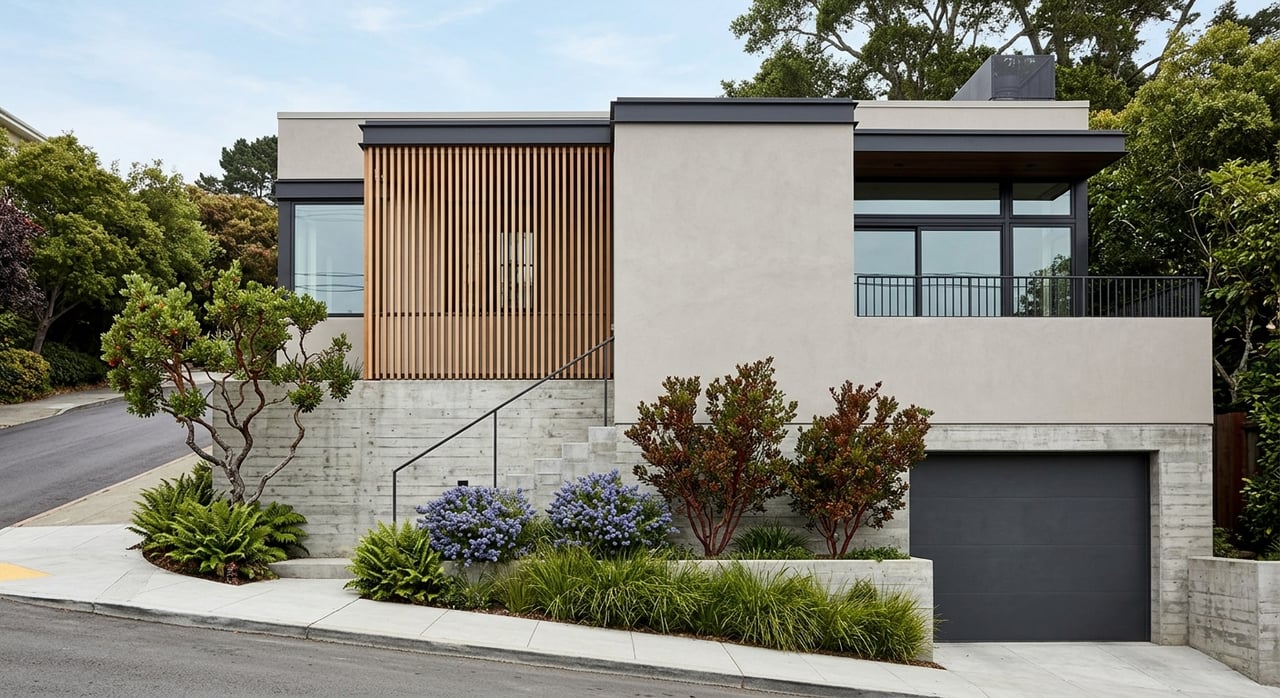
Much of the residential backdrop is made up of mostly two- and three-story buildings on relatively narrow lots, often around 25 to 35 feet wide. Planning materials also note details like bay windows, porches, and occasional built-in garages.
For you, that often means homes with strong street presence in a compact footprint. The scale feels urban but still residential, which is part of what gives Eureka Valley its appealing balance.
Why the Hills Change the Lifestyle
The hills do more than shape the architecture. They influence how the neighborhood looks, how blocks connect, and how the area feels compared with flatter parts of San Francisco.
Official planning sources support the key ingredients behind that difference: dramatic elevation changes, small-lot residential blocks, nearby parks, and immediate access to the commercial core. Together, those elements create the compact, village-like lifestyle many buyers are looking for when they focus on this part of the city.
Parks and Open Space Nearby
If outdoor access matters to you, Eureka Valley has a strong set of nearby options. One of the neighborhood’s biggest lifestyle advantages is how close it sits to several well-used parks and recreation spaces in central San Francisco.
That access can make daily life feel more flexible. Whether you want room to relax outdoors, space for exercise, or a quick reset with a view, you do not have to travel far.
Mission Dolores Park
Mission Dolores Park is nearly 16 acres and includes lawns, tennis courts, a playground, dog areas, and skyline views. It is one of the most recognized open spaces near Eureka Valley and a major draw for people who want easy access to outdoor amenities.
For many buyers, proximity to Dolores Park adds a lot to the neighborhood’s everyday appeal. It offers a large, active public space in a central location, which is not something every San Francisco neighborhood can claim.
Corona Heights Park
Corona Heights Park is known for some of the best views in San Francisco and for its spring wildflower display. Its elevated setting fits naturally with Eureka Valley’s hillside identity.
If views and topography are part of what attract you to the area, this park reinforces that appeal. It gives you another nearby option for open space with a very different visual experience from flatter park settings.
Eureka Valley Recreation Center
Eureka Valley Recreation Center adds practical everyday value. It offers indoor and outdoor exercise space, a kids' activity center, a playground, and ball fields.
That kind of neighborhood resource can matter just as much as a scenic park. It supports routines, recreation, and day-to-day convenience right in the area.
Getting Around From Eureka Valley
For a central San Francisco neighborhood with hills, Eureka Valley offers strong transit access. The Castro Street Muni Metro station is an accessible underground station, and the underground Muni Metro system runs from West Portal to the Embarcadero.
That gives you a direct connection to key parts of the city without relying entirely on a car. If you value mobility and a more car-light routine, that is a meaningful part of the neighborhood’s appeal.
Muni and Bus Service
In addition to Muni Metro, bus service supports local trips through the area. The 35 Eureka and 37 Corbett both serve Castro/Upper Market.
That network helps connect hillside blocks with surrounding destinations. Depending on where you live and work, it can make central-city errands and commutes more manageable.
Schools and Address-Based Planning
If school access is part of your home search, SFUSD’s School Finder is the official resource to check schools by home address and program preferences. Because attendance and choice outcomes are address-based, it is important to verify the current match for any property you are considering.
Nearby campuses in or near 94114 include Harvey Milk Civil Rights Academy, McKinley Elementary, Sanchez Elementary, Everett Middle School, and Mission High School. Everett Middle School notes that it sits at the border of the Castro and Mission districts and offers Spanish immersion plus arts, leadership, and civic activism enrichment.
For you as a buyer, the key takeaway is simple: confirm school assignment details early when narrowing homes. In San Francisco, location within a neighborhood does not always tell the full story by itself.
Who Eureka Valley Often Appeals To
Eureka Valley can appeal to buyers who want a central San Francisco location without giving up residential character. The mix of hillside homes, low-rise multifamily buildings, open space, and access to Castro Street creates a lifestyle that feels both urban and neighborhood-oriented.
You may find it especially compelling if you value architecture, walkable amenities, and quick transit connections. It can also be a strong fit if you want a home base that feels distinctive, with topography and street character that set it apart from flatter parts of the city.
What to Notice When Touring Homes
As you explore Eureka Valley, it helps to pay attention to how each block sits on the hill and how close it is to the commercial core. Two homes with the same zip code can offer very different experiences depending on elevation, street pattern, and proximity to transit or park space.
A few details worth noting include:
- The steepness of the block and ease of access
- Whether the home sits on a quieter residential stretch or nearer to activity
- The building type, such as single-family, two-flat, or four-flat
- Architectural details like bay windows, porches, and garage placement
- Access to nearby parks, recreation space, and Muni service
Those factors help shape not just value, but daily livability. In a micro-market like Eureka Valley, small location differences can have an outsized impact on how a home feels.
If you are considering a move in or around 94114 and want a sharper read on Eureka Valley’s housing mix, block-by-block feel, and positioning within Castro/Upper Market, Frank Nolan can help you evaluate the neighborhood with the detail and discretion a San Francisco purchase deserves.
FAQs
Is Eureka Valley the same as the Castro?
- Not exactly. San Francisco Planning says neighborhoods do not have official boundaries, and Eureka Valley is commonly discussed within the broader Castro/Upper Market area.
What kinds of homes are common in Eureka Valley?
- Common housing types include historic single-family homes such as side-hall, end-gable, and flat-front dwellings, along with low-rise multifamily buildings like two-flats and four-flats.
What makes Eureka Valley feel different from flatter San Francisco neighborhoods?
- The area’s hills, changing elevations, compact residential blocks, nearby parks, and quick access to Castro Street create a more layered, village-like feel.
What parks are near Eureka Valley in San Francisco?
- Nearby open spaces include Mission Dolores Park, Corona Heights Park, and the Eureka Valley Recreation Center.
What transit options serve Eureka Valley?
- The Castro Street Muni Metro station serves the area, and the 35 Eureka and 37 Corbett bus lines also connect Castro/Upper Market.
How do you check schools for a Eureka Valley home address?
- Use SFUSD’s School Finder to verify schools by specific address and program preference, since attendance and choice outcomes are address-based.