Are you wondering if marketing still moves the needle at the top of San Francisco’s market? When seven- and eight-figure homes are on the line, the right exposure can be the difference between a swift, strong result and months of carrying costs. In the last year, San Francisco’s luxury segment has shown renewed strength, and buyers at the high end are active again. In this guide, you’ll see how a strategic plan can raise price, cut days on market, and protect your privacy when needed. Let’s dive in.
San Francisco luxury today: why marketing matters
San Francisco’s luxury and ultra-luxury tiers rebounded recently, with fresh demand tied to wealth creation in tech and AI. Reports highlight increased activity in the $5 million to $10 million bands and several trophy transactions at higher levels. Coverage tying AI wealth to the city’s luxury rebound underscores both renewed confidence and selective buyer behavior.
Local reporting also shows a steady role for off-market sales that prioritize privacy. Recent headlines around high-profile transactions make clear that exposure must match the property and the seller’s goals. Examples of private mansion sales illustrate how curated outreach can bring qualified buyers without unnecessary noise.
What “strategic marketing” looks like at the top end
A credible luxury plan is more than a flyer and an MLS entry. It is a coordinated campaign designed to attract the right buyers, create early momentum, and support strong negotiation.
Pricing and positioning
- Use segmented comps that factor in neighborhood, architecture, views, condition, and recent renovations.
- Decide on the right channel for the moment. Some listings benefit from broad exposure. Others perform best through a private network that preserves discretion while creating competitive tension.
- Build a clear narrative that speaks to buyer personas. Architectural pedigree, provenance, and lifestyle all shape the story.
Preparation and staging
- Focus on rooms that drive decisions: living areas, the kitchen, and the primary suite.
- According to the National Association of Realtors’ staging analysis, staging is associated with faster sales and, in many cases, higher offers. Given luxury price points, the investment is modest relative to potential upside.
Photography and creative assets
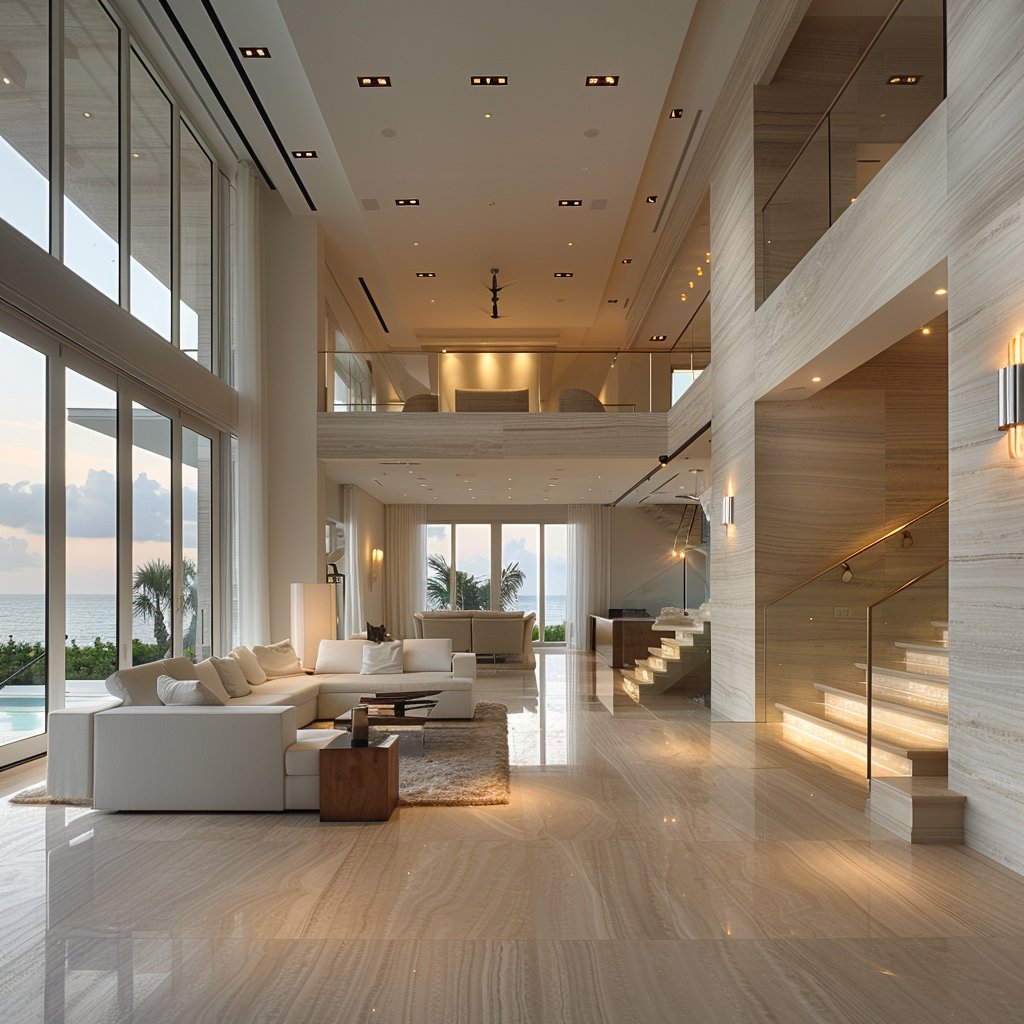
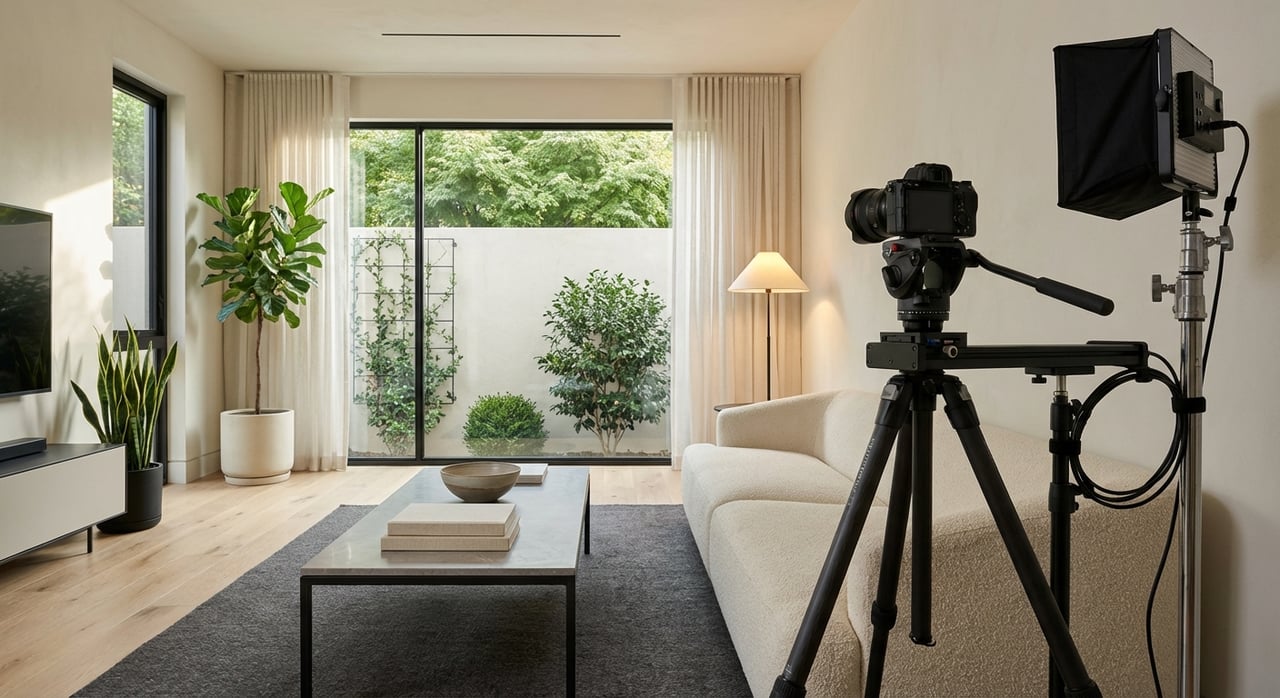
- Commission high-resolution stills, twilight exteriors, aerial context, measured floor plans, and editorial-caliber copy.
- In the luxury segment, professional visuals are a baseline. They set the emotional tone, amplify digital performance, and support premium positioning.
Video, cinematic walkthroughs, and 3D
- Produce a short highlight reel for social channels and a longer, polished walkthrough for private outreach.
- Offer an immersive 3D tour for remote or international buyers. Vendor benchmarks show that listings with high-quality 3D tours attract more views and stronger leads, which can translate to faster sales and better outcomes.
Branded materials and microsite
- Launch a dedicated property site with a custom URL, a downloadable brochure, and integrated lead capture.
- Keep the design clean and editorial so the architecture and finishes take center stage.
Targeted digital advertising
- Run geo and wealth-segmented campaigns across select platforms. Optimize for qualified impressions rather than raw reach.
- Watch performance weekly and adjust creative, audience, and budget.
Broker outreach, private previews, and PR
- Host invitation-only broker tours and curated private previews for qualified buyers.
- Pursue earned editorial in lifestyle or design media when appropriate. For marquee properties, thoughtful press can seed the buyer pipeline and elevate perceived value.
Distribution and syndication
- Use the MLS if public exposure is part of the plan, with strategic timing.
- Syndicate broadly when useful, but balance that with targeted broker lists, wealth managers, and relocation contacts for precision reach.
What actually moves price and days on market
Not every tactic is equal. These elements have the strongest track records of moving the needle in San Francisco’s upper tiers.
Staging shifts perception and speed
- The NAR staging report finds that staging reduces time on market for many listings and that a meaningful share of agents see 1 to 10 percent uplifts in offers. At luxury price points, that range matters.
- Prioritize key rooms. A refined, clutter-free presentation supports premium photography, video, and showings.
3D tours and hosted walkthroughs expand qualified exposure
- Market data from vendors indicates that immersive 3D content increases listing views and lead quality.
- For buyers who are relocating or traveling, a polished 3D experience pushes them to schedule an in-person tour sooner.
Speed-to-interest supports stronger pricing
- In San Francisco luxury analyses, a faster sale often correlates with better list-price capture. The San Francisco Luxury Market Index highlights the relationship between time on market and achieved price, reinforcing the value of an early, coordinated push.
Public listing or private sale?
Both paths can deliver outstanding results. The choice depends on property uniqueness, timing, and your privacy needs.
- Public approach: Best when you want broad competition and data-supported price discovery. A well-timed launch with full creative assets can build quick momentum.
- Private approach: Useful when privacy is paramount or when scarcity and discretion can heighten interest. San Francisco routinely sees off-market activity at the very top end, often paired with curated broker outreach.
A practical launch timeline
Here is a typical sequence for a major single-family home or penthouse. Timelines flex based on scope and privacy requirements.
- Weeks 1 to 3: Staging, minor repairs, photography, video, and 3D tour. Build microsite and brochure. Prep PR materials if relevant.
- Week 0: Go live. Hold an invitation-only broker preview and organize select private showings for prequalified buyers.
- Weeks 1 to 3: Layer digital ads, editorial outreach where appropriate, and targeted broker follow-up. Continue private showings.
- Ongoing: Measure performance weekly. Adjust creative, pricing posture, and outreach cadence based on qualified interest.
Budget cues that keep you in control
You should expect an itemized plan with clear line items and expected outcomes. Typical allocations include staging, photography and 3D, video, microsite and brochure, paid social, and selective PR outreach. The NAR staging release notes that staging costs are modest compared with luxury price tags, while video and multi-day shoots sit at the higher end and should be quoted in advance.
How to vet an agent’s marketing plan
Ask for concrete evidence, not just promises. Use this checklist to compare plans side by side.
Required deliverables
- A written timeline with dates for staging, photography and 3D, video, microsite, digital ads, and PR outreach.
- Examples of recent, relevant luxury listings sold, including marketing materials used.
- A defined buyer outreach list that covers broker networks, private wealth contacts, and relocation channels.
- A media plan with target outlets and examples of past earned editorial.
- A tracking plan and weekly reporting on microsite traffic, lead sources, and showings.
Questions that reveal competence
- What is your track record in this price band and this micro-market in the last 12 to 24 months?
- Can you show the exact deliverables I will receive, including a main image, twilight shot, drone photo, 3D tour, property site mockup, and a brochure sample?
- What is your recommended budget by line item and the expected incremental outcome for each?
- How many private previews will you run in the first two weeks and what conversion rates do you typically see?
- If we go private, how will you create competitive tension while protecting confidentiality?
KPIs to include in your agreement
- Days from list to the first broker-qualified offer.
- Number of qualified buyer showings and anonymized buyer details.
- Microsite visits, referral sources, and ad click-through rates.
- Number of targeted broker contacts reached and private previews completed.
- Net marketing spend compared with the realized premium at closing.
Why partner with Frank Nolan
At the high end, experience and access matter. You want a team that combines on-the-ground neighborhood expertise with sophisticated, PR-forward marketing and reliable distribution. With decades of San Francisco dealmaking, an editorial approach to storytelling, and boutique service supported by institutional brokerage infrastructure, you get both precision and reach.
If you are considering a sale in the city’s upper tiers, let’s discuss a tailored strategy that fits your goals for timing, privacy, and price. Frank Nolan can walk you through a custom plan and provide recent examples. Start a confidential conversation.
FAQs
How does staging affect San Francisco luxury sales?
- The NAR staging analysis reports faster sales and, in many cases, higher offer prices when key rooms are staged. In luxury, the relative return can be significant.
Do 3D tours really help with ultra-luxury buyers?
- Yes. Vendor benchmarks show that high-quality 3D tours increase views and lead quality, which can lead to faster sales, especially when buyers are remote or relocating.
What is the ideal timeline to prepare a luxury listing?
- Many campaigns spend 2 to 3 weeks on staging, repairs, photography, video, and 3D. Then a coordinated three-week exposure plan builds early momentum.
When should I choose a private sale over going on the MLS?
- Choose a private path when privacy is essential or the property’s scarcity justifies curated outreach. San Francisco’s top tier often uses off-market channels to balance discretion and competition.
Which metrics should I watch once we launch?
- Track days to first qualified offer, number of qualified showings, microsite traffic and sources, ad performance, and how many targeted brokers were engaged and converted to previews.