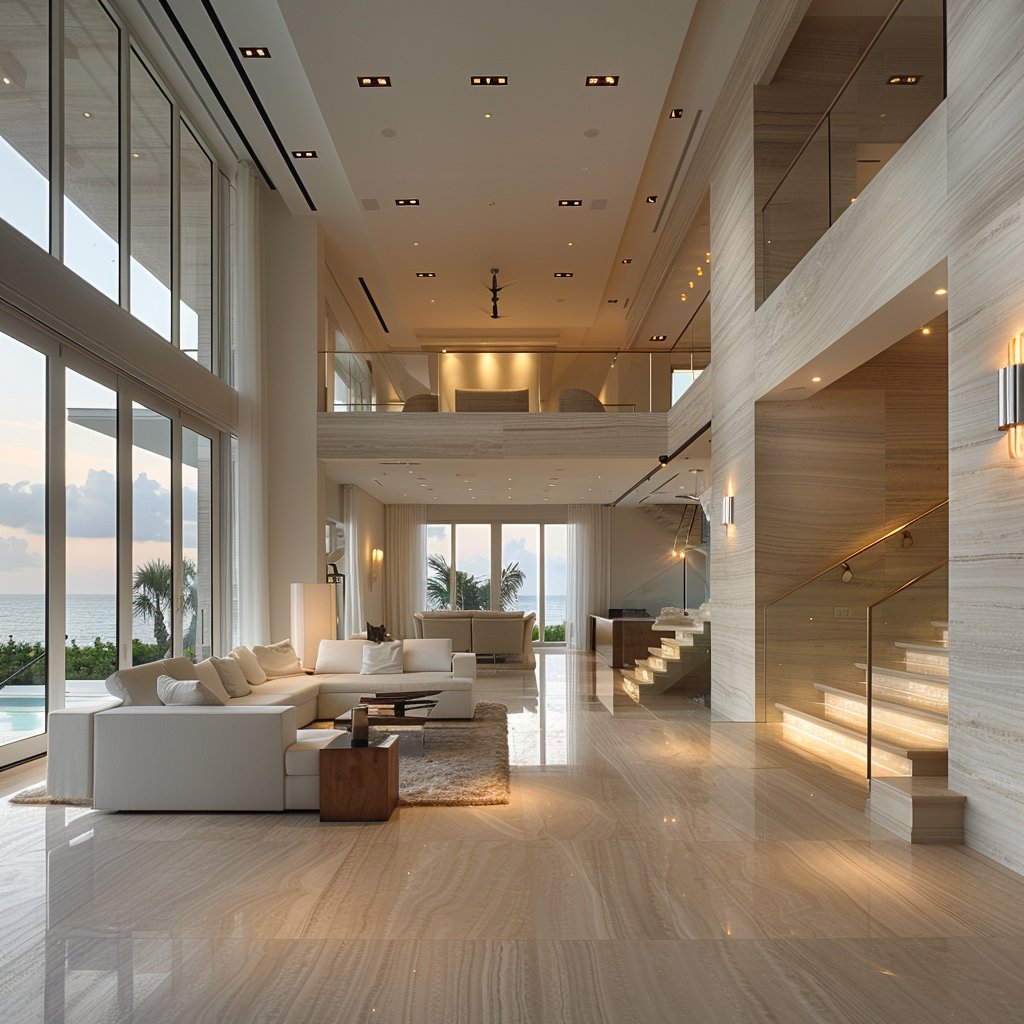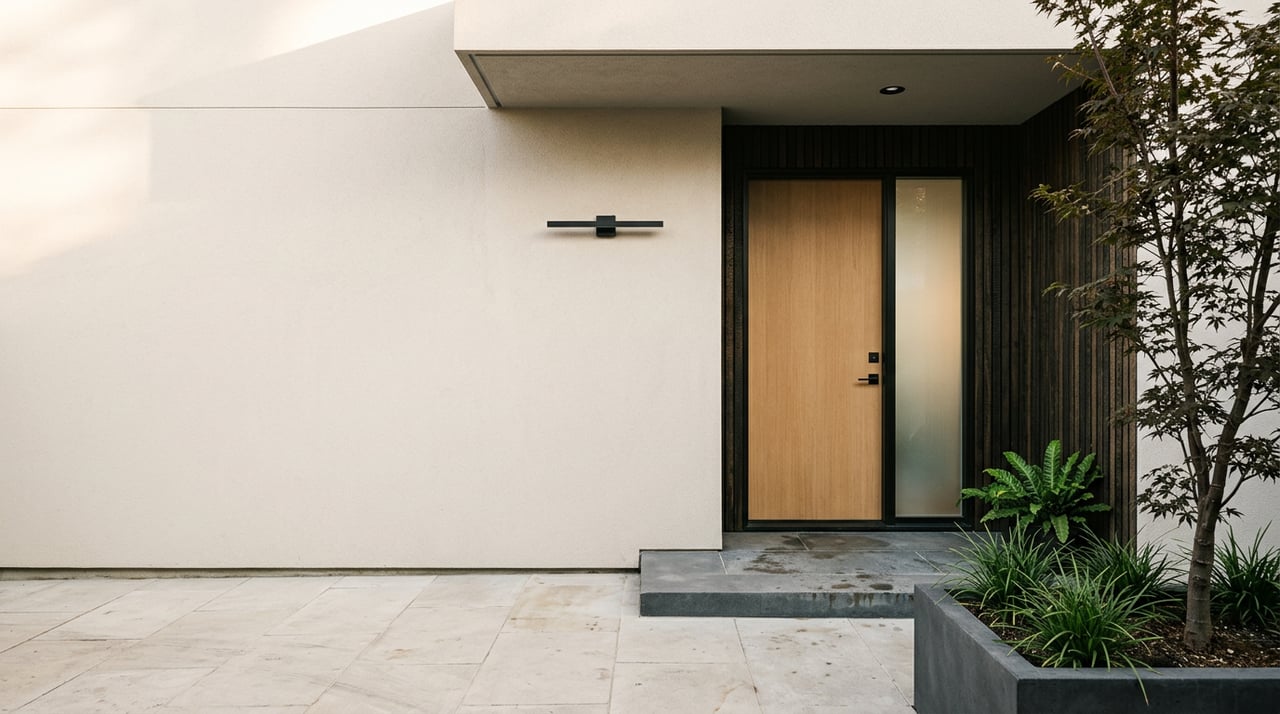
Thinking about selling your Pacific Heights home without the spotlight? If privacy, control, and a smooth process are your top goals, a discreet sale can be the right fit. You still want to protect your price, comply with local rules, and move on your timeline. This guide shows you how to prepare, choose the right listing path, and market quietly while staying compliant and maximizing leverage. Let’s dive in.
Pacific Heights context for 94115 sellers
Pacific Heights is a high-value, low-inventory neighborhood where prices vary widely by property type. Recent neighborhood snapshots place overall values in the low to mid millions, while single-family and trophy estates trade materially higher. The right price depends on your specific home, its class, and recent local comps.
The buyer pool for private offerings often includes local high-net-worth individuals, Bay Area families seeking privacy, and a smaller set of national or international ultra-high-net-worth buyers. That mix is why a tailored outreach plan and careful vetting matter.
Choose your listing path
Office-exclusive (pocket listing)
Your home is marketed only within the listing brokerage. This offers the highest level of discretion but limits buyer competition to that firm’s private network. Under Clear Cooperation and related guidance, any marketing that looks public typically triggers an MLS submission requirement. Review the “Multiple Listing Options” concepts and confirm how the local MLS implements them so your plan fits the rules. See the National Association of REALTORS®’ discussion of evolving MLS policies for context on seller options and compliance here.
Delayed marketing (exempt listing)
In many markets, you can file the listing with the MLS but withhold it from public portals and IDX feeds for a controlled window. This lets you test demand with vetted agents while staying off public sites. Rules and timelines vary by MLS, so your agent should secure the correct authorizations and follow local policy.
Full MLS public listing
This is the broadest exposure, with distribution across the MLS and public portals. It typically brings the largest pool of buyers and the greatest chance of competing offers. If you start privately and do not get the right outcome, a staged MLS launch can follow.
Price vs privacy: a clear trade-off
Research from Bright MLS and Drexel University found that homes marketed openly on the MLS achieved materially higher sale proceeds than comparable off-MLS transactions during the 2019 to Q1 2023 study period. Review the summary of on-MLS price outcomes in this one-pager. Your strategy should weigh the value of discretion against the potential impact on top-end pricing.
Press coverage has also documented a rise in private and pocket activity in recent years, especially in higher-end segments, though results vary by market and property type. For context, see reporting on the growth of private listings and its implications here.
Prepare quietly: a phased plan
Phase A: compliance and risk reduction
- Get a pre-listing inspection. Knowing material issues early lets you decide what to fix, disclose, or credit. Pre-list inspections can reduce renegotiations and speed closing with serious, vetted buyers. For an overview of seller-side inspection benefits, review this professional association FAQ from InterNACHI.
- Prepare California disclosures early. The Transfer Disclosure Statement, Natural Hazard Disclosure, and other required forms apply whether you sell publicly or off market. Build delivery of these documents into your timeline. See the California Civil Code requirements here. The Department of Real Estate also offers helpful resources for sellers here.
- Complete a legal intake. Confirm ownership names for closing, what materials require an NDA, and whether escrow or attorney review is needed before circulating offers. If you plan to use a trust or entity for privacy, coordinate with counsel early.
Phase B: selective, low-disruption improvements
- Focus on high-impact basics: fresh neutral paint, deep cleaning, repairs for visible defects, and enhanced lighting. These reduce buyer friction and help photos read clean.
- Avoid heavy renovations that draw attention or delay your timeline. If you decide to pursue maximum price through publicity, a separate, full public plan is usually better.
Phase C: privacy-first media
- Photography: use interior lifestyle images and architectural details. Avoid exterior shots with clear street numbers, identifiable neighboring facades, or landmarks that give away the address.
- Virtual tours: when needed, use password-protected links for vetted buyers and agents. Before posting anything public, confirm how delayed-exposure options are handled under your MLS policies. See NAR’s ongoing policy context here.
- Printed and PDF materials: label as “Pacific Heights — private offering” until buyer identity is verified. Keep floor plans and site maps in a secure, share-by-request packet.
Quiet outreach and fair-housing compliance
Targeted channels
- Private emails and calls to a curated broker network and qualified buyer lists, with proof of funds required before releasing the full address.
- Invite-only previews or broker appointments, scheduled one at a time to control access.
- Internal brokerage databases and select outreach to top producing agents at other firms who represent likely buyers.
Digital advertising has special rules. HUD cautions that targeted or automated campaigns can have discriminatory impacts. Keep outreach factual and objective, avoid any exclusionary language, and document your criteria. Review HUD’s guidance on advertising through digital platforms here. California’s civil rights authorities apply state anti-discrimination laws as well; see a state resource document here.
Buyer vetting and showings
- Require a broker introduction, representation confirmation, and written proof of funds or pre-approval before releasing the full package.
- Use NDAs or confidentiality addenda as needed, with electronic execution and clear recordkeeping.
- Conduct accompanied, appointment-only showings with a showing log. Consider a security concierge for higher-profile properties.
- Apply vetting criteria consistently and keep documentation to avoid any appearance of steering or unequal access.
Pricing, timing, and negotiation
- Pricing: anchor your price to hyper-local comps by property type. Explain that limited exposure can reduce competing offers and sometimes lowers top-end price outcomes. The Bright MLS study on on-MLS results is a useful reference for setting expectations.
- Timing: consider a short private window, from several days to a few weeks. If you do not see the right offer, pivot to a polished public launch.
- Negotiation: when privacy is the priority, weigh non-price terms like shorter escrow, flexible possession, or higher earnest money. Document your preferences so your agent can negotiate toward your exact outcome.
Closing with privacy in mind
- Choose an experienced escrow and title team that can navigate trusts or entity closings while meeting lender and title insurance requirements.
- If you want to minimize public name exposure after settlement, speak with tax and estate counsel about ownership structures and timing.
- Confirm with escrow how San Francisco recording and transfer tax disclosures appear in public records, then plan your approach accordingly.
How a boutique team supports a discreet sale
A quiet sale still deserves a full, strategic plan. With a boutique team model and institutional brokerage support, you get the best of both: high-touch coordination and meaningful reach.
- Private buyer lists and curated broker network. Your outreach taps vetted local, national, and international contacts.
- One point of contact. A senior coordinator manages NDAs, showings, and document flow to reduce your exposure.
- Privacy-first media. Controlled photography, password-protected tours, and disciplined messaging keep attention where it belongs.
- Pivot-ready strategy. If a private window does not yield the right terms, a staged MLS launch can activate broader demand quickly.
If you are considering a discreet sale in Pacific Heights, let’s build a plan that protects your privacy and your price. Start a confidential conversation with Frank Nolan.
FAQs
What is a “discreet sale” in Pacific Heights?
- A planned, limited-exposure process that controls who sees your listing, how it is shown, and when details are released, while preserving full legal disclosures and compliance.
How do MLS rules affect a private sale in 94115?
- Clear Cooperation and related guidance require MLS entry within one business day of any public marketing; office-exclusive and delayed-marketing paths exist but must follow local MLS rules and authorizations.
Do I still have to provide disclosures in a private sale?
- Yes. California’s Transfer Disclosure Statement, Natural Hazard Disclosure, and other required forms apply to off-market and public listings alike under Civil Code §§1102–1102.19.
Will I get less by selling off market?
- Research from Bright MLS and Drexel shows that, in aggregate, on-MLS sales achieved materially higher proceeds than comparable off-MLS deals, so weigh privacy against potential price trade-offs.
How are buyers vetted for a private showing?
- Expect a broker introduction, proof of funds or pre-approval, an executed NDA when needed, and accompanied, appointment-only showings with a detailed access log.
How long should I test an invitation-only window before going public?
- Many sellers try a private window of days to a few weeks; if demand or terms fall short, a staged MLS launch can expand reach and competition quickly.