Thinking about trading a long commute for bay views and walkable city living? If you are eyeing Rincon Hill in San Francisco’s 94105, you are not alone. The neighborhood offers a compact, amenity-rich lifestyle near the Embarcadero and downtown employers, which makes it popular with time‑constrained buyers. In this guide, you will get clear, practical steps to evaluate buildings, plan your commute, and streamline your move. Let’s dive in.
Why Rincon Hill stands out
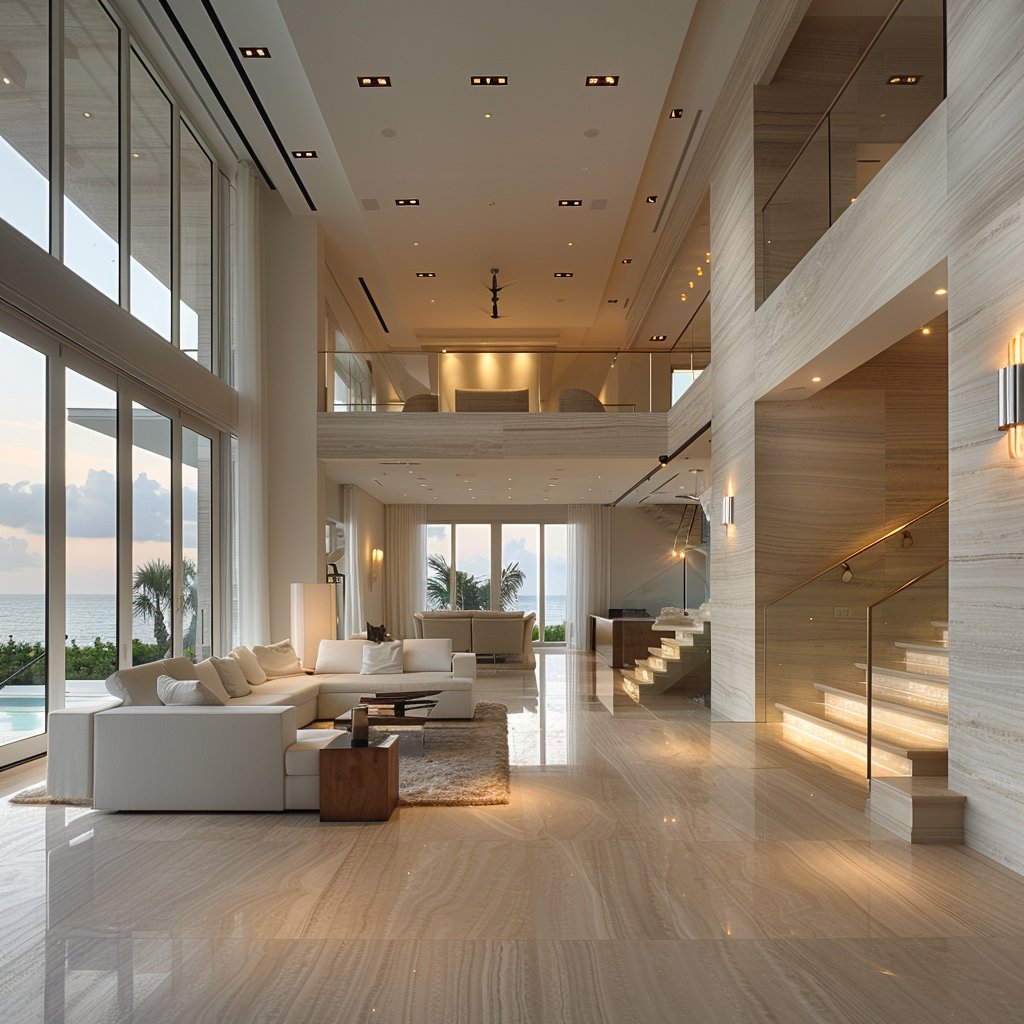
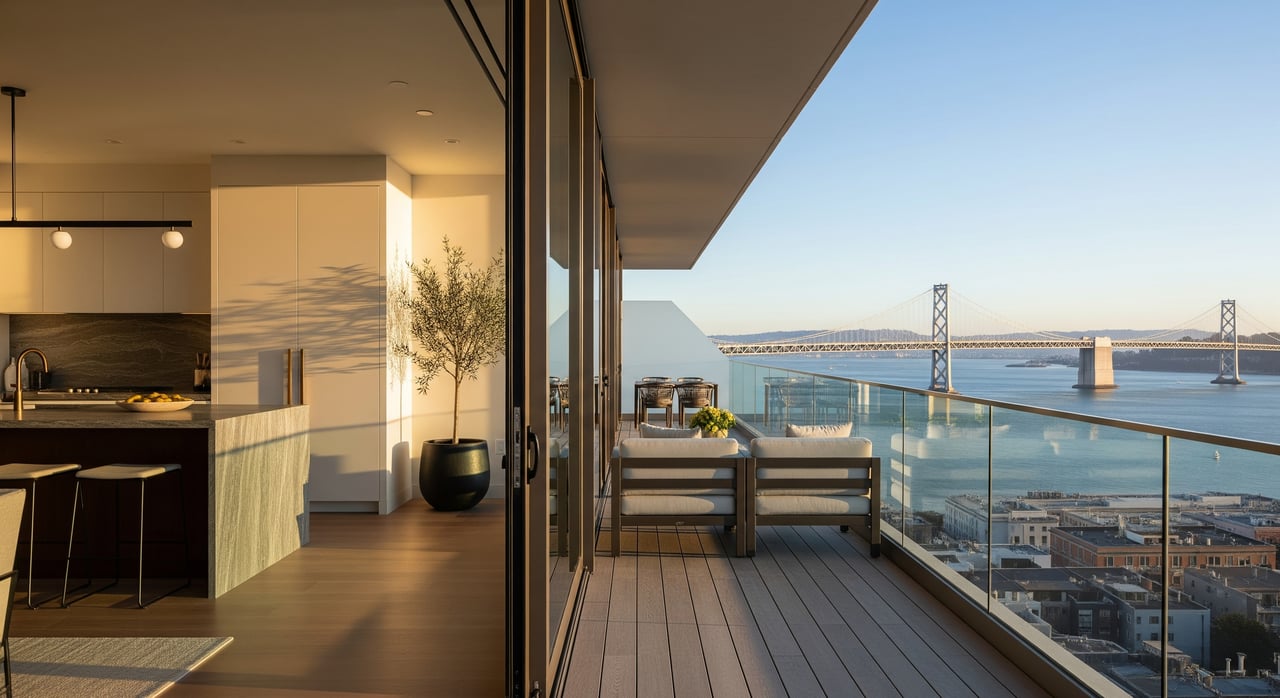
Rincon Hill sits on San Francisco’s eastern waterfront, next to the Embarcadero, Financial District, South Beach and SoMa. You can walk to the Ferry Building and Oracle Park, and reach restaurants, fitness studios and everyday services within a few blocks. Many buildings are glass high‑rises with city and bay views, on‑site staff and modern amenities.
You will likely trade some square footage for location. Many condos offer smaller footprints and compact balconies, with building amenities carrying more weight in your daily life. Noise, wind and views can vary floor to floor, so it pays to tour at different times of day and test how a specific unit feels in person.
Inventory can shift quickly across San Francisco micro‑markets. In Rincon Hill, you will see a mix of new developments and resale towers, mid‑rise buildings and a handful of boutique conversions. Amenity‑heavy towers usually have higher monthly HOA dues compared to smaller buildings with limited amenities.
Getting around: transit and commute
BART, Muni, Caltrain and ferries
If you work downtown or along the East Bay and Peninsula corridors, Rincon Hill’s transit access is a major draw. The nearest major BART hub is Embarcadero Station. It is walkable from northern Rincon Hill, often a 10–20 minute walk depending on your address.
For Peninsula and Silicon Valley commutes, Caltrain’s 4th & King terminal is typically a 10–20 minute walk or a short bike or ride. Multiple Muni lines run along the Embarcadero, SoMa and the Third Street corridor. The T Third light rail and the historic F‑line connect you to central Muni routes and the waterfront. Ferries at the Ferry Building add cross‑bay options to Marin and Alameda/Jack London.
Use official schedules and trip planners to map your specific routes, then do a timed run at peak hours. If you work late, confirm late‑night service levels and rideshare availability for last‑mile needs.
Driving and parking
Driving access to US‑101 and I‑280 is straightforward, but local streets get congested during commute windows. Build in buffer time if you plan to cross the Bay Bridge on I‑80 or head south during peak hours. If you own a car, confirm whether a unit includes a deeded or assigned parking space, the cost for a second space, guest parking rules and any EV charging availability or retrofit plans.
Practical commute checks
- Time your morning and evening commute to your office, and to SFO if you travel often.
- Walk to your most-used transit stop to confirm real-world timing rather than relying on map distance.
- Verify late‑night options if you work non‑standard hours.
- Ask the building about secure bike storage if you plan to bike.
- Test rideshare pickup spots around the building during busy periods.
Condo buildings you will see
High‑rise luxury towers
These are large, amenity‑rich buildings with concierge or doorman services, gyms, lounges and shared outdoor spaces. Expect striking city or bay views, modern systems and professional management. Monthly HOA dues tend to be higher to support staffing and amenities.
Mid‑rise modern condos
Mid‑rises offer a balance of features and costs. You may see fitness rooms, a staffed lobby and roof decks, with more moderate HOA dues than full‑service towers. These buildings can be appealing if you want amenities without top‑tier monthly fees.
Boutique conversions and low‑rise buildings
Smaller buildings often have simpler HOAs and fewer shared services, which can lower monthly dues. The tradeoff is fewer amenities and less on‑site staffing. Review delivery logistics, package rooms and any elevator service if you rely on frequent shipments.
New developments
Brand‑new buildings come with modern code compliance, newer mechanicals and developer warranties. Pricing often carries a premium, and there may be early-phase HOA rules to understand. Ask about developer transfer fees, initial budgets and any restrictions on leasing during early occupancy.
What to evaluate in any building
- Floor level and view: Views influence price and can change noise and wind exposure. Confirm elevator reliability and wait times during peak hours.
- Construction and age: Ask about seismic standards, retrofits and any known foundation or settlement issues, especially in high‑rises.
- Amenities vs. fees: Confirm exactly what HOA dues include, such as water, trash, gas, central heating or internet.
- Mechanical systems: Check HVAC type, water pressure on higher floors, plumbing stack history and rooftop equipment.
- Parking and storage: Ask about included spaces, the cost of additional parking, storage lockers and EV charging options.
- Deliveries and access: Understand package handling, freight elevators and move‑in scheduling.
HOA, financing and legal basics
What your HOA handles
Your HOA manages common areas, building systems, amenities and community rules. Before you commit, request and review the CC&Rs, bylaws, house rules, meeting minutes, operating budget, reserve study and insurance summary. A healthy reserve fund lowers the chance of special assessments, so note the reserve balance, contribution rate and planned capital projects.
Special assessments and building projects
Ask whether recent or planned assessments exist, why they were needed, the amount and the timeline. Also request a list of building repairs completed in the last five years and upcoming projects. Meeting minutes often reveal useful context on maintenance planning and resident concerns.
Financing and approvals
Condo financing can hinge on project approvals and owner‑occupancy ratios. Not every HOA is eligible for all loan programs. If you plan to use FHA or VA financing, confirm that the project appears on the relevant approval lists. Investor limits or litigation can also affect financing eligibility and timelines.
Rental rules and short‑term use
If you plan to rent your unit, review HOA rental caps and subletting rules, along with San Francisco’s local regulations on short‑term rentals. Some buildings prohibit short‑term rentals entirely, while others allow long‑term leases with specific requirements.
Insurance and earthquake coverage
Standard homeowner policies often exclude earthquake damage. Ask your insurer for earthquake coverage options from the California Earthquake Authority or private carriers. Confirm what the building’s master policy covers versus your individual policy responsibility, including interior improvements and glass.
Document checklist to request early
- CC&Rs, bylaws and house rules
- HOA budget, financial statements and reserve study
- Insurance certificates and summaries
- Meeting minutes for the last 12–24 months
- Records of special assessments, litigation or code enforcement
- A list of recent repairs and planned capital projects
Daily life: conveniences and services
You are steps from the Embarcadero’s waterfront promenades, the Ferry Building’s marketplace and farmer’s market, and a wide range of dining in SoMa, South Beach and the Financial District. Confirm the closest full‑service grocery for your exact address, and expect smaller markets nearby for daily needs. Fitness studios, coworking spaces, dry cleaning and convenience retail are clustered within easy walking distance.
For green space, the waterfront offers jogging and bike paths with bay views, plus pocket parks along the Embarcadero. Larger parks are a short ride away. Healthcare providers, urgent care and hospitals are accessible in central SF and SoMa; verify the nearest facilities based on your building.
If schools or childcare matter to your move, note that Rincon Hill is a primarily downtown neighborhood. Review San Francisco Unified School District attendance boundaries and enrollment policies to understand your options.
A 30‑minute relocation checklist
- Simulate your commute twice, morning and evening, using actual transit routes or driving paths.
- Confirm parking details for the unit, including the cost of a second space and guest policies.
- Request the full HOA packet immediately, and set time to review it.
- Decide your building type priorities: views and amenities, or lower dues and simpler services.
- Verify rental and short‑term policies if you plan to lease the unit.
- Ask directly about recent or upcoming special assessments and major projects.
- Test elevator wait times and water pressure during a tour, and check how packages are handled.
- Get earthquake insurance quotes and clarify what the HOA master policy covers.
- Review recent crime data for your block through official city dashboards.
- Measure your walk to BART, Muni, Caltrain or ferries rather than relying on map distance.
How Frank Nolan can help
A smooth relocation starts with clear priorities and fast, reliable information. You get both when you work with a team that knows 94105 buildings inside and out. With decades of local experience, new‑development expertise and a white‑glove, boutique approach, we help you compare towers and mid‑rises, review HOA health, and secure the right unit with confidence. From timed commute tests to deep HOA diligence, we streamline each step so you can focus on life, not logistics.
Ready to explore Rincon Hill with a trusted advisor? Start a confidential conversation with Frank Nolan.
FAQs
What should I know about commuting from Rincon Hill?
- Embarcadero BART is often a 10–20 minute walk depending on your address, with Caltrain 4th & King a similar distance, and multiple Muni lines and ferries nearby for regional access.
Are HOA dues in Rincon Hill buildings high?
- Dues vary by building, but amenity‑rich towers usually have higher monthly fees, while boutique or mid‑rise buildings tend to be lower due to fewer services.
How do I check a building’s financial health?
- Review the HOA budget, reserve study, insurance summary and 12–24 months of meeting minutes, and ask directly about special assessments and planned capital projects.
Can I rent out my condo in Rincon Hill?
- It depends on HOA rental caps and building rules, plus San Francisco’s regulations, so review the CC&Rs and confirm policies with the HOA before you buy.
Is earthquake insurance required for a condo purchase?
- It is typically optional, but standard policies exclude earthquake damage, so get quotes and confirm what the HOA’s master policy covers versus your individual policy.
How can I evaluate noise and wind in a high‑rise unit?
- Visit the unit at different times of day and on windy afternoons, check window glazing and ventilation, and note floor level and exposure, which can change conditions significantly.