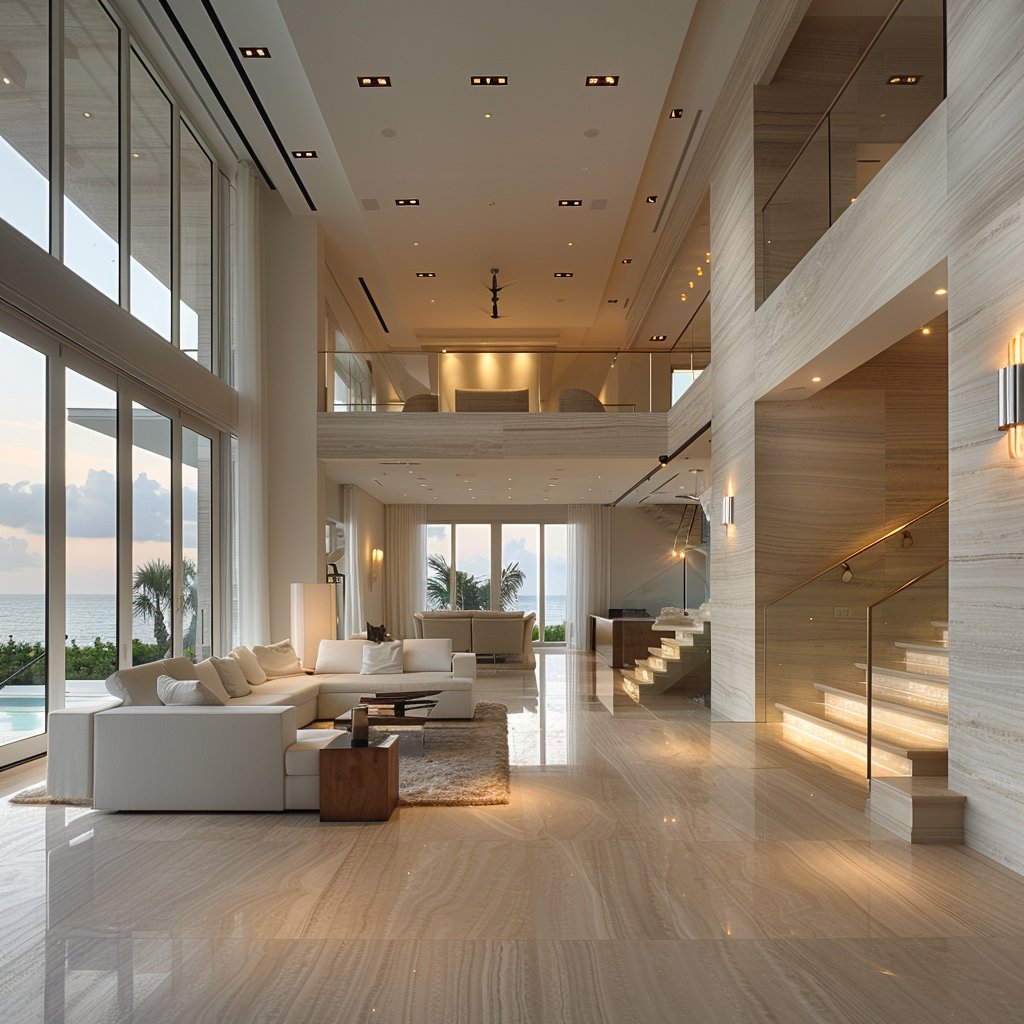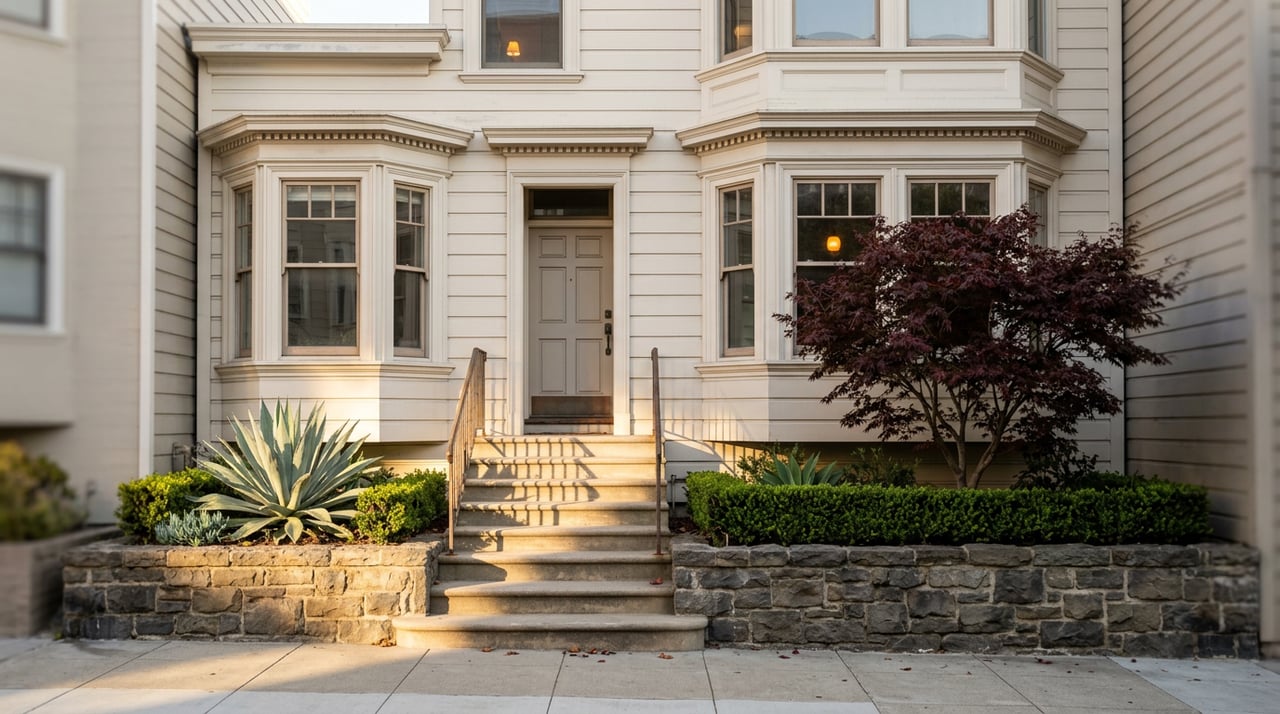
A condo at 39 Hancock closed this year at 22 percent over its asking price. Anyone shopping the Mission with the neighborhood's median sale price in mind, somewhere in the $1.3 million range as of this spring, would have walked into that listing badly undergunned. The median describes an average of everything that sold. It does not describe what happens when a renovated, move-in-ready condo hits the Valencia corridor and half a dozen buyers decide they want it the same week.
That is the trap. The Mission District does not run on one housing market. It runs on at least five, stacked inside the same zip code and reported as a single number, and the pipeline of new construction that shows up in permit filings and YIMBY headlines will not touch most of them the way a home shopper might assume.
One Median Price, Five Different Markets
Ask anyone who has sold property across the full width of the neighborhood and they will describe it the same way: the housing stock splits into distinct types, each with its own buyer pool and its own pace.
- Victorian and Edwardian flats, the historic anchor of the neighborhood, often configured as two- or three-unit buildings and sometimes sold as tenancy-in-common shares rather than condos. Buyers here are paying for original detail and a bigger footprint, not modern systems.
- Two- and three-bedroom condos along Valencia Street and the BART corridors, the deepest and most competitive segment, where move-in-ready condition and disciplined pricing produce results like the 39 Hancock sale.
- New-construction condo buildings concentrated along Mission Street, 16th Street, and the eastern blocks, where buyers are trading character for predictable systems and modern layouts.
- Warehouse-to-loft conversions in the East Mission, exposed brick and timber sold to buyers who want an industrial floor plan the newer buildings don't offer.
- A smaller pocket of single-family homes toward the southern blocks near Cesar Chavez, the least common typology in a neighborhood built mostly as multi-unit flats.
The spread this produces is enormous. Closed sales across the district have run from roughly $500,000 for an older studio or one-bedroom TIC up to $5 million or more for a fully renovated multi-unit Edwardian or a large loft conversion. A single median price sits somewhere in the middle of that range and describes almost nothing about what a specific buyer's budget will actually buy.
What the District-Wide Numbers Actually Say
The two most current tallies of Mission District sales this year land close enough to trust each other. One puts the recent median sale price at roughly $1.28 million, with a median of about $998 per square foot and homes clearing in around 15 days. A separate reading of the same window shows a median near $1.3 million, about $973 per square foot, with homes now selling in about 23 days, down sharply from 40 days the year before. That convergence is a good sign the district-wide number is measuring something real.
It is worth knowing, though, that not every tracker agrees. At least one broader market analysis this year put the Mission's median closer to $1.65 million, up 4.6 percent year over year, a figure that almost certainly leans on a different mix of property types, likely weighted toward the restored single-family and larger Victorian stock that draws a different buyer profile than the Valencia condo segment. Neither number is wrong. They are measuring different baskets of the same neighborhood, which is exactly why the typology a buyer is shopping matters more than the headline figure attached to the neighborhood's name.
The Building Boom Nobody Buying a Home Should Count On
Anyone tracking Mission District permit activity this year has seen a steady run of project news, and it can read like relief is coming for buyers frustrated by tight inventory. It is worth looking closely at what is actually being built before assuming that.
The largest project moving forward is 321 Florida Street, a nine-story, 168-unit building on a long-dormant surface parking lot between 16th and 17th Streets in the area sometimes called Media Gulch. A joint venture between DM Development and Urban Land Development has been advancing the project since its original 2021 entitlement, and permit activity picked up again this August, with the project team targeting a construction start as early as this fall. Current filings describe 168 residential apartments, a mix of studios, one-bedrooms, and two-bedrooms, with 31 of those units set aside as affordable for very low- to moderate-income households. All 168 are apartments. None are condos for sale.
A few blocks south, Wong Logan Architects has resubmitted plans for Trigona, a six-story, 20-unit infill at 3230 24th Street a block from the 24th Street BART station, after cutting the project nearly in half from its earlier design. And on 16th Street, construction has already broken ground on La Maravilla, a supportive housing development that will eventually bring 382 units overlooking the 16th Street BART station, with the first phase's 136 units built and operated as permanent affordable housing for formerly homeless residents.
Add it up and the honest read is this: the visible new supply landing in the Mission over the next two years is rental apartments and deeply affordable supportive housing. None of it adds inventory to the for-sale condo segment, the Victorian flat segment, or the loft segment where actual home buyers are competing today. If you are hoping the neighborhood's construction boom eases competition for a home you can purchase, the timeline for that relief is not visible yet in anything currently permitted.
Timing Your Search Around the Two Buyer Waves
The Mission's calendar has a rhythm worth building a search around. Spring, roughly March through May, produces the deepest buyer pool and the most multiple-offer outcomes across nearly every typology in the neighborhood. Summer runs quieter, as it does across most of central San Francisco, with buyers traveling and fewer offers competing for what does list.
Early fall, September into October, is the year's other real window, and it is the one worth paying attention to right now. This period tends to bring a still-motivated buyer pool without the volume of competing inventory that spring produces. For a buyer targeting the Victorian flat segment or a Valencia corridor condo, a well-priced listing that comes up in the next several weeks is arriving in a genuinely better competitive position than the same listing would have faced in April.
A Few Questions Before You Start Touring
Does a lower price per square foot mean the Mission is more affordable than a neighborhood like Noe Valley? Only for the specific typology being compared. A TIC studio at the low end of the Mission's range will be less expensive than almost anything comparable elsewhere in the city. A renovated multi-unit Edwardian at the top of the range competes directly with single-family stock in neighborhoods that report much higher headline medians.
Will the new apartment construction on Florida Street eventually turn into condos I could buy? Nothing in the current entitlement suggests that. The project is approved and permitted as a rental apartment building with market-rate and below-market rental units, not as for-sale condominiums.
What is a TIC, and why does it show up at the bottom of the Mission's price range? A tenancy-in-common is a form of shared ownership common in the Mission's older multi-unit Victorian and Edwardian buildings, where owners hold an interest in the whole building rather than a deeded unit. It typically prices below a comparable condo because the financing and resale process carry more friction, a distinction worth understanding fully before an offer, not after.
The Mission rewards buyers who know which of its markets they are actually shopping. If you are trying to figure out where your budget lands across Victorian flats, Valencia corridor condos, or the newer buildings on Mission and 16th Streets, and what the fall window means for your specific search, Frank Nolan and The Nolan Group can walk the comps with you block by block. Start a confidential conversation before the next listing comes up.